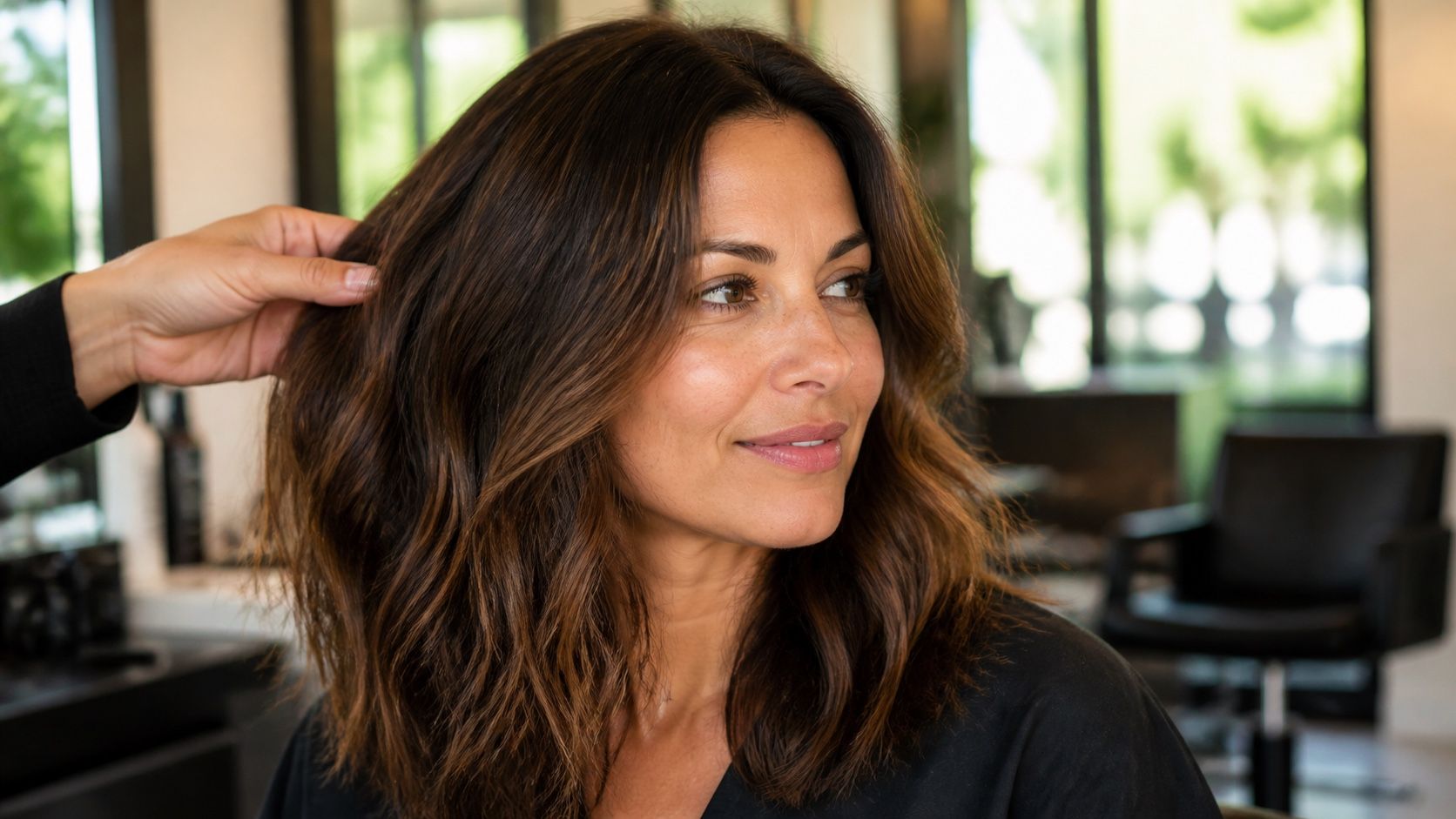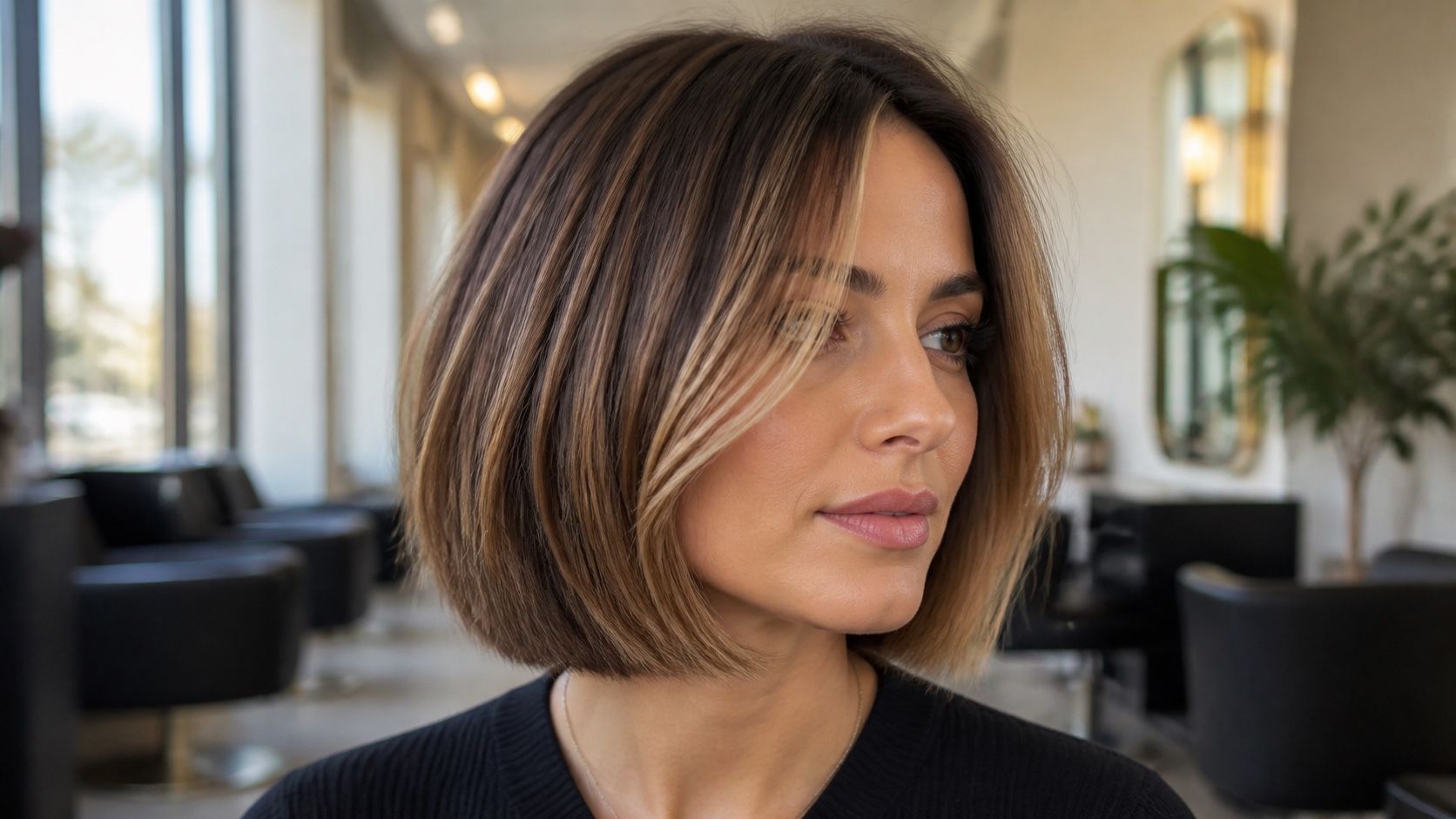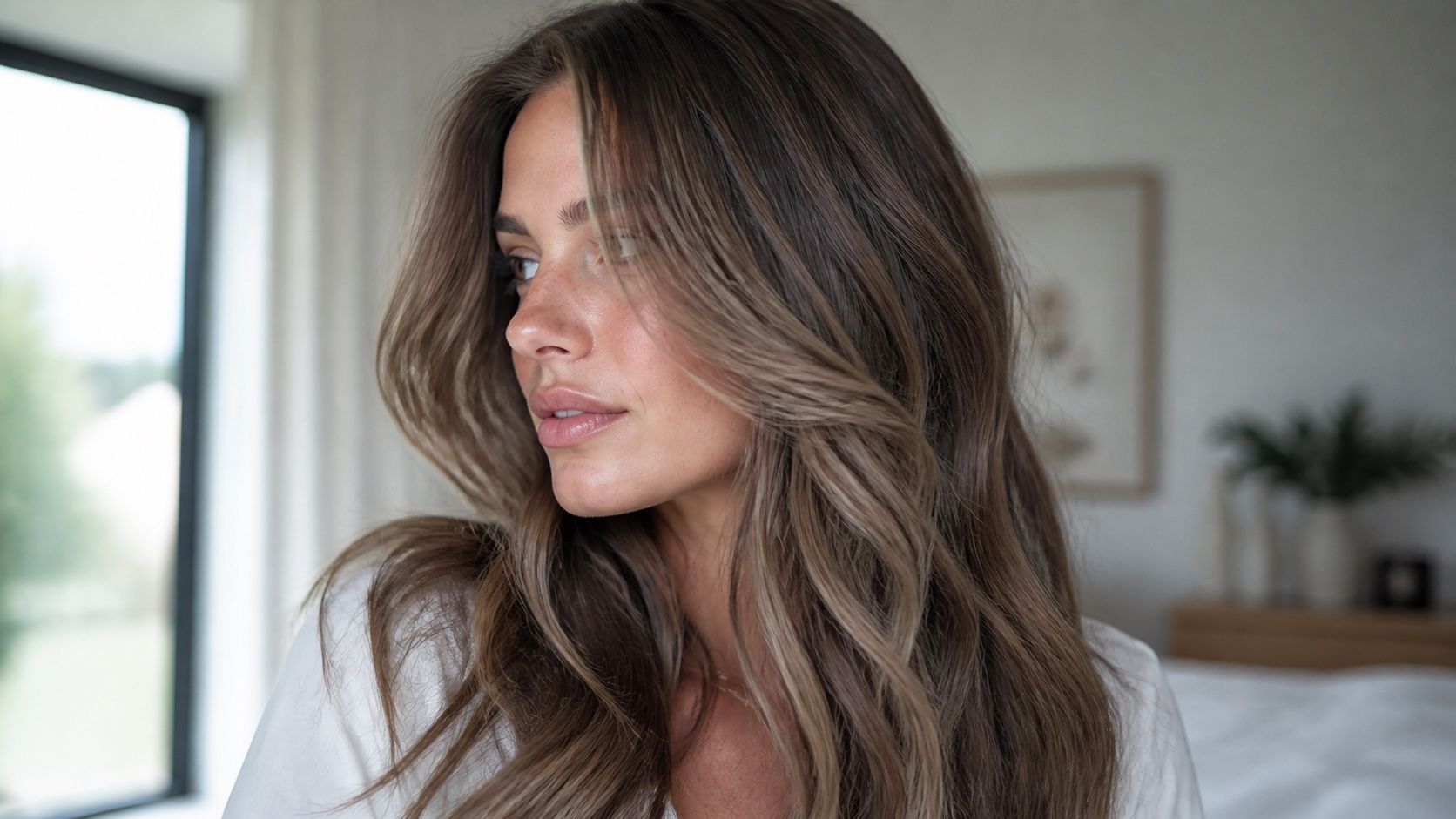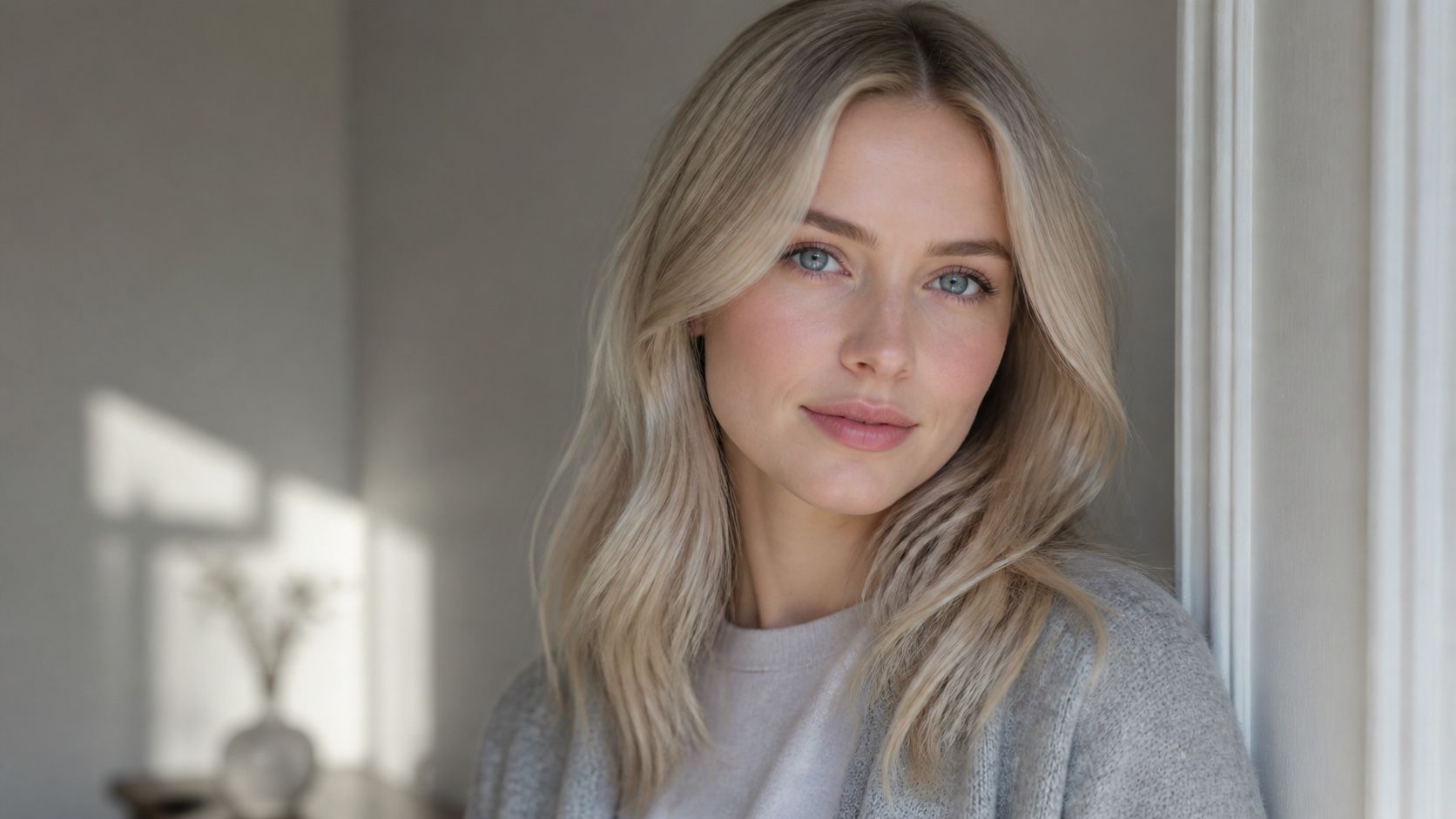
Blonde hair, blue eyes, and fair skin can look soft, clear, cool, warm, delicate, striking, or slightly washed out depending on the blonde tone and the colour sitting closest to the face. The useful question is not which colours are universally flattering. It is how much contrast the hair and skin can take before the clothes start wearing the person.
Start with the blonde tone, not the label
Two people can both be blonde with blue eyes and fair skin and still need different clothing. Ash blonde beside pink-cool skin often looks steadier with misty blue, slate, soft navy, rose, or cool taupe. Golden blonde beside peachy fair skin may handle cream, camel, warm coral, moss, or soft teal better. The eye colour helps, but the hair tone usually sets the first boundary because it frames the face all day.
Soft colours for gentle contrast
Many fair blondes look better when the first layer of clothing does not shout. Soft summer colours are a good reference point when the hair is beige, ash, or dark blonde and the eyes are light blue or grey-blue. Think denim blue, powder blue, soft plum, dusty rose, mushroom, pewter, and cool sage. These shades give the face shape without creating a hard border at the neckline.
The danger is going too pale everywhere. A pale blonde wearing pale grey, pale blue, and pale lipstick can disappear under indoor lighting. One deeper anchor helps: a charcoal cardigan, a soft navy neckline, a muted berry scarf, or a defined brow. The outfit still reads gentle, but the face has a frame. That frame is often what people are really looking for when they search for the best clothing colors for blonde hair, blue eyes fair skin.
Clearer colours for brighter blonde hair
Some blondes need more snap. Bright blue eyes, icy highlights, naturally darker brows, or a clean platinum finish can make soft colours look a little sleepy. In that case, clearer shades near the face can work: true navy, cobalt used carefully, cool red, crisp white, black in small doses, or a sharp raspberry. The trick is to match the clarity without overwhelming the skin.
Black is the colour that causes the most disagreement. It can look elegant with platinum blonde and defined features. It can also cast shadows under fair skin and make the hair look yellow by comparison. If black feels too hard, try ink navy, charcoal, deep pine, or a black jacket with a lighter collar. The eye reads contrast, but the face gets a little breathing room.
| Blonde direction | Near-face colours to test | Colours to handle carefully |
|---|---|---|
| Ash or cool beige blonde | Slate blue, soft navy, dusty rose, pewter | Mustard, orange coral, strong camel |
| Golden blonde | Ivory, moss, warm teal, peach, camel | Icy grey, stark white, blue-based pink |
| Platinum or very bright blonde | Crisp white, navy, cool red, raspberry | Flat beige, muddy olive, faded pastels |
| Dark blonde with soft roots | Denim, mushroom, soft plum, muted green | Harsh black, neon shades, chalky white |
Roots and highlights change the whole effect
Roots are not a flaw in the colour story. They often explain why a shirt works one month and looks wrong the next. Darker roots add contrast, so a blonde who usually wears soft blue may suddenly carry navy better after a root shadow. Fresh bright highlights can do the opposite: they lift the face and make muted clothes look dull or grey.
Face-framing highlights matter most because they sit beside the skin and eyes. A warm golden money piece can make cool pinks feel disconnected. An icy face frame can make camel look heavy. If the hair has mixed tones, test clothing against the pieces that actually touch the face, not the darker underneath hair or the filtered salon photo taken from behind.
Grey blending creates another small complication. A cooler root smudge can make blue eyes look clearer, while a warmer gloss through the ends may ask for softer cream or green. If the colourist changes the toner, repeat the clothing test before buying new pieces.
Use the neckline as the real test area
Colour advice gets clearer when it moves from theory to the neckline. Trousers and shoes have more freedom. The scarf, collar, sweater, earrings, and coat lapel are where the colour has to negotiate with the face. A blue-eyed blonde may love rust trousers, for example, but rust at the neck can pull warmth into the skin and make the eyes look less clear.
For a practical wardrobe check, lay out five tops: one white, one ivory, one soft blue, one navy, and one colour you love but rarely wear. Try them with the same makeup and the same hair position. Do not judge by whether the colour is fashionable. Judge by whether the eyes look clearer, whether the skin looks calmer, and whether the hair looks intentional instead of brassy, flat, or separate from the outfit.
Preference still belongs in the room
Colour analysis can narrow the field, but it should not turn into a tiny set of approved shirts. Some people like a bit of tension: a warm red lip with cool blonde hair, a black turtleneck on very fair skin, a pale cream sweater even when white is technically cleaner. Personal preference matters because clothing is not a lab result. It has mood, season, texture, and context.
The best plan is to separate daily reliability from deliberate drama. Build the easy layer from colours that make the hair, blue eyes, and fair skin look settled. Then keep a few higher-risk colours for outfits where the contrast is the point. When the blonde tone, neckline colour, and personal taste are all considered together, the result looks chosen rather than copied from a chart.
One more useful test is to view the hair and clothing together after the hair has been washed and styled in the way you normally wear it. Fresh salon shine can make nearly any shade look more polished, while a week of ordinary movement reveals whether the blonde is too yellow, too grey, too bright, or too close to the skin. Try a muted blue, a soft charcoal, a cool cream, and one clearer colour near the face. Notice which option lets the eyes remain visible and which option makes the hair take over. That comparison is more reliable than a rule based on eye colour alone, because the root depth, highlight placement, and haircut edge all change the amount of contrast. If the look works in both daylight and indoor light, it has a better chance of feeling comfortable in real life.