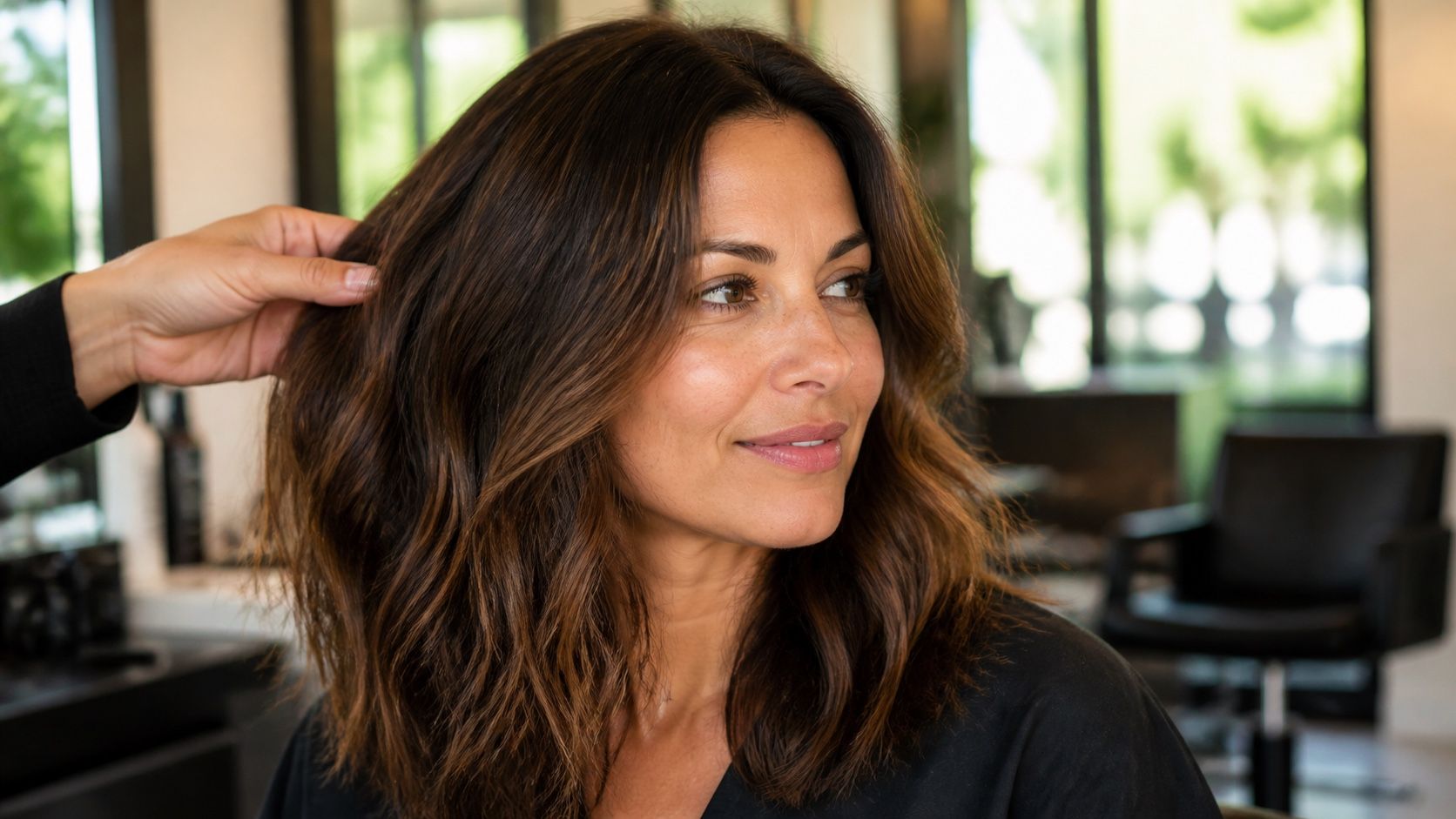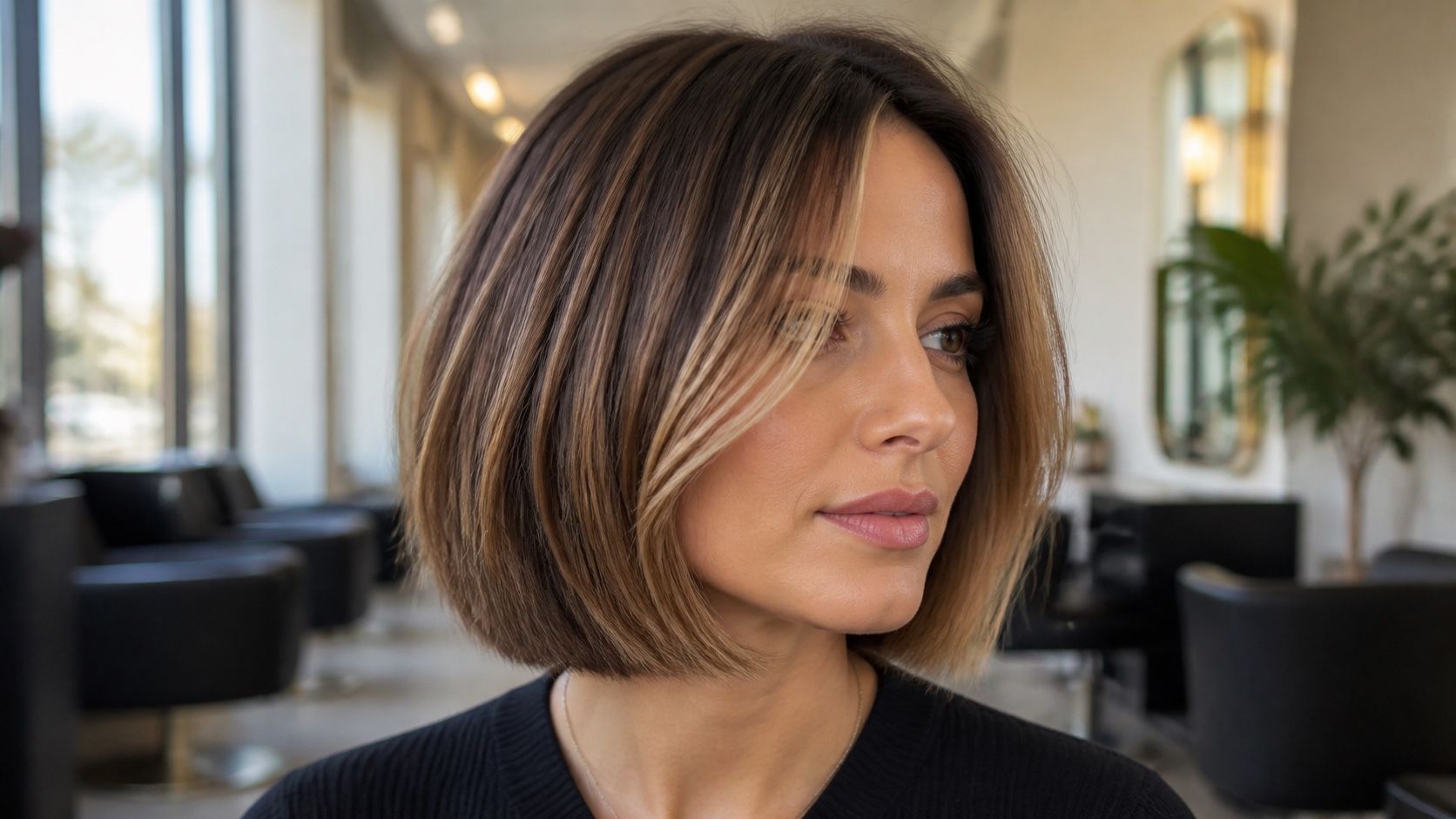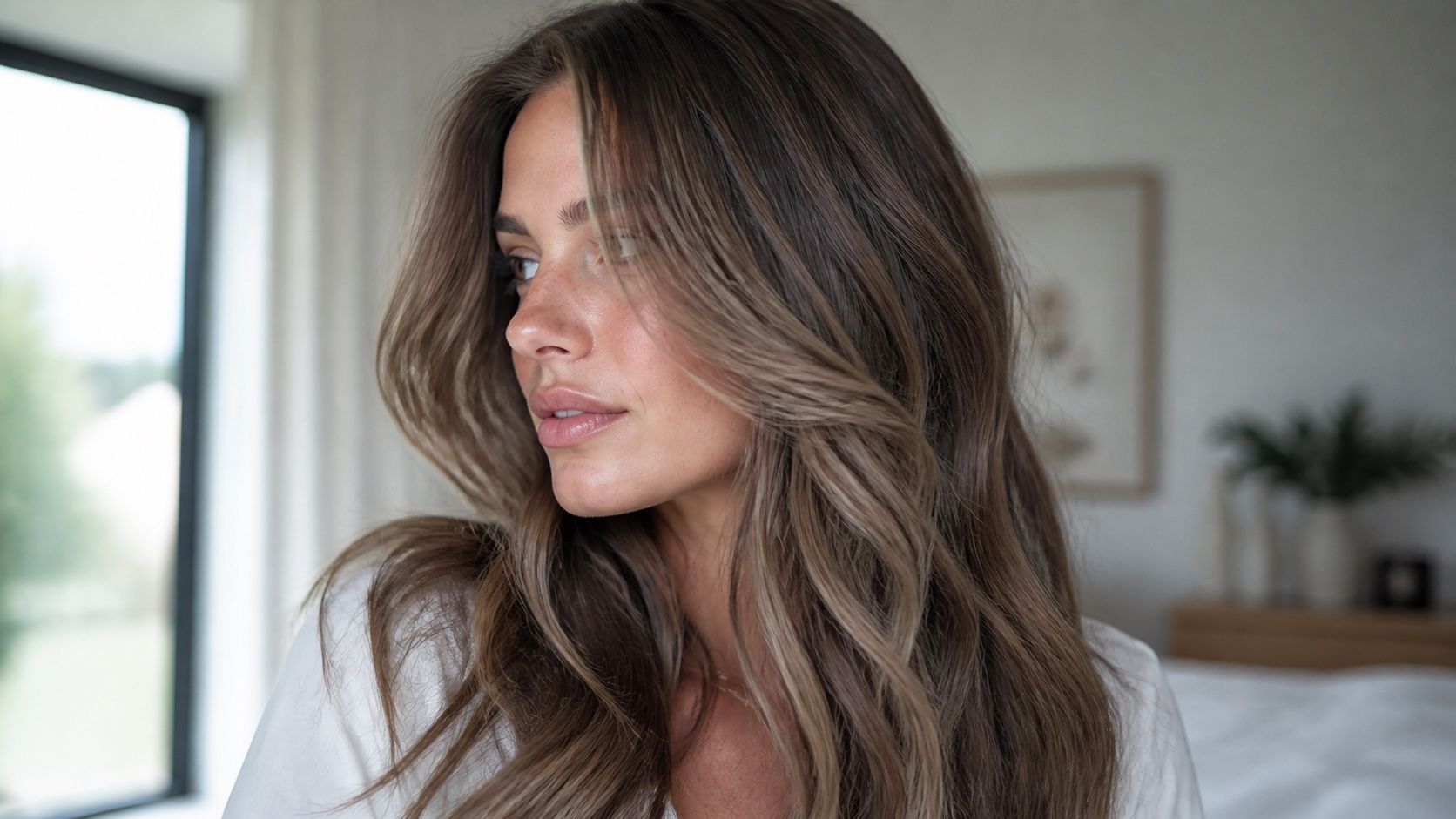
Choosing cool summer hair color ideas for blondes, brunettes, and highlights works best when the decision is reduced to a few visible details: the direction of the shade, the depth of the hair, the shape of the cut, and the amount of maintenance that fits ordinary weeks. A search phrase can point toward the right subject, but it cannot tell you how old colour will react, how a fringe will change the balance, or whether a reference photo was taken in daylight. The reader is comparing blonde, brunette, and highlight directions and needs a realistic way to judge upkeep. The useful result is a clear direction that can survive a conversation with a stylist and a look at your own hair.
Start with the depth you already have
There is also a comfort question. Some people enjoy seeing a clear change immediately; others prefer a result that grows out quietly and still feels familiar after several weeks. Neither approach is more correct. The useful choice is the one that matches how often the hair is styled, how much attention the face-framing area receives, and how willing you are to return for a tone refresh. A colour decision becomes easier when the future version of the look is part of the plan.
Blonde ideas that keep the contrast controlled
A final check is to compare the idea in more than one setting: daylight, indoor light, hair worn down, hair tied back, and the haircut as it is usually worn. Digital previews can smooth texture and even out the surface, while salon lighting can make a cool shade appear deeper. If the direction still makes sense across those checks, it is a stronger starting point. If it changes completely, the idea may need a softer depth or smaller placement before any permanent service.
Existing hair history deserves its own line in the decision. Previous dye, bleach, toner, grey coverage, sun exposure, and porous ends can all change the result. The surface may look even while the underlying base is different from root to tip. A preview or colour name cannot see that history. A strand test, a careful look at the roots, and an honest note about recent services give a stylist better information than a long collection of saved images.
| Decision | Look at | Practical check |
|---|---|---|
| Direction | Cool Summer | Compare cool beige blonde with the natural base. |
| Placement | brunette hair | Check how it behaves around mushroom brunette. |
| Upkeep | soft ash highlights | Decide what happens when the roots or ends change. |
| Reality check | balayage | Use a photo, daylight check, and strand-test conversation. |
Brunette options with a cooler surface
The most useful starting point in brunette options with a cooler surface is to describe what can be seen instead of reaching for a dramatic name. In this case the important pieces are Cool Summer, blonde hair, brunette hair, highlights. They affect how the colour reads beside the face, how much movement the haircut shows, and how quickly a small change becomes visible. A shade that looks quiet on a long, layered shape can look much stronger on a blunt bob or a short fringe because less hair is available to soften the edge.
The relationship with balayage, babylights, money piece, root melt is where the choice becomes personal. Two people can wear the same family of colour and need different depth, placement, or saturation because their natural contrast and haircut are different. Consider the colours that sit near the face, the way the ends move, and whether the style is usually worn smooth or with texture. The answer does not need to be extreme to feel deliberate; a small adjustment in reflect or placement can change the whole impression.
Highlights that add movement without taking over
Look at cool beige blonde, mushroom brunette, soft ash highlights, face frame, maintenance interval as separate decisions. Depth answers how light or dark the result should feel. Tone describes the visible cast, such as ash, beige, rose, copper, espresso, or clear blue-black. Placement controls whether the change sits at the roots, through the lengths, around the face, or in a few pieces. Keeping those questions separate makes it easier to explain what you want and easier to notice when a reference image is asking for several changes at the same time.
Maintenance should be judged before the first appointment, while the idea still feels exciting. Ask how visible the root line will be, whether the tone will need refreshing, how the ends will behave as the colour fades, and whether the cut makes grow-out easier or harder to hide. A low-maintenance choice may use a close depth with softer placement. A higher-maintenance choice may be worthwhile, but it needs a routine that includes time, budget, and patience for the in-between stage.
Which idea fits a low-maintenance routine
Existing hair history deserves its own line in the decision. Previous dye, bleach, toner, grey coverage, sun exposure, and porous ends can all change the result. The surface may look even while the underlying base is different from root to tip. A preview or colour name cannot see that history. A strand test, a careful look at the roots, and an honest note about recent services give a stylist better information than a long collection of saved images.
A reference image is most useful when it is translated into plain details. Note the starting depth, the visible tone, where the lightest pieces begin, how much contrast remains at the roots, and whether the finish is glossy, matte, smoky, or clear. Remove the parts that belong to the model's lighting, styling, or hair density. That translation prevents a picture from becoming a promise and turns it into a conversation with several points that can be checked.
Make the choice easy to explain
The reader is comparing blonde, brunette, and highlight directions and needs a realistic way to judge upkeep. Write down the colour direction, the desired depth, the placement, and the details that should stay unchanged. Add the current hair history, the usual haircut shape, and the amount of time available for upkeep. This short record is more useful than a single label because it shows the difference between the result you want and the work you are willing to repeat.
Use the phrase “I want this direction, with this level of contrast, and I need the grow-out to behave like this” as a starting point. Then ask what is realistic on the current base, which part should be tested first, and how the tone may look after the first few washes. If the answer changes the plan, that is valuable information. A good decision leaves room for the hair in front of you instead of forcing it to copy a picture.