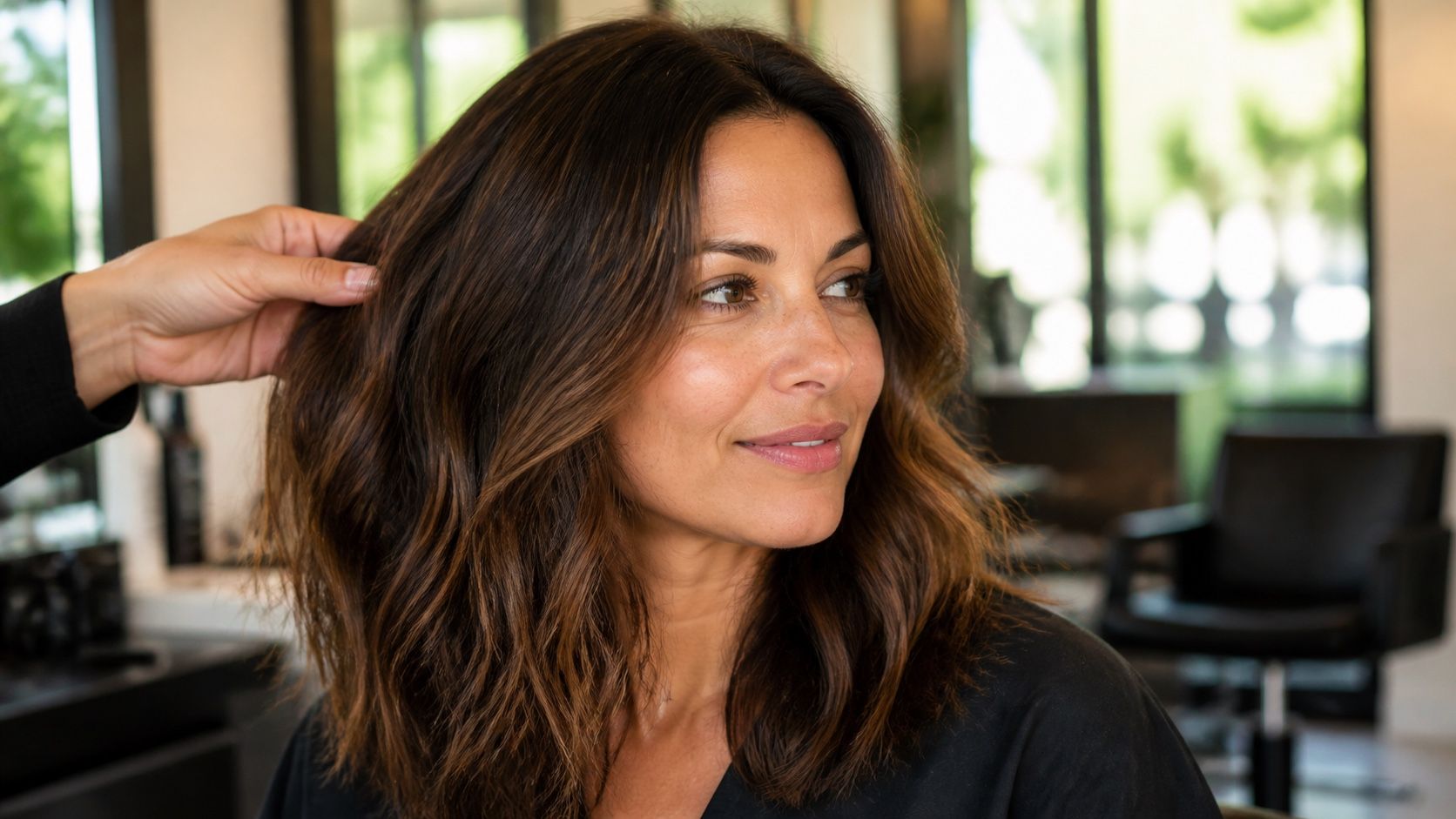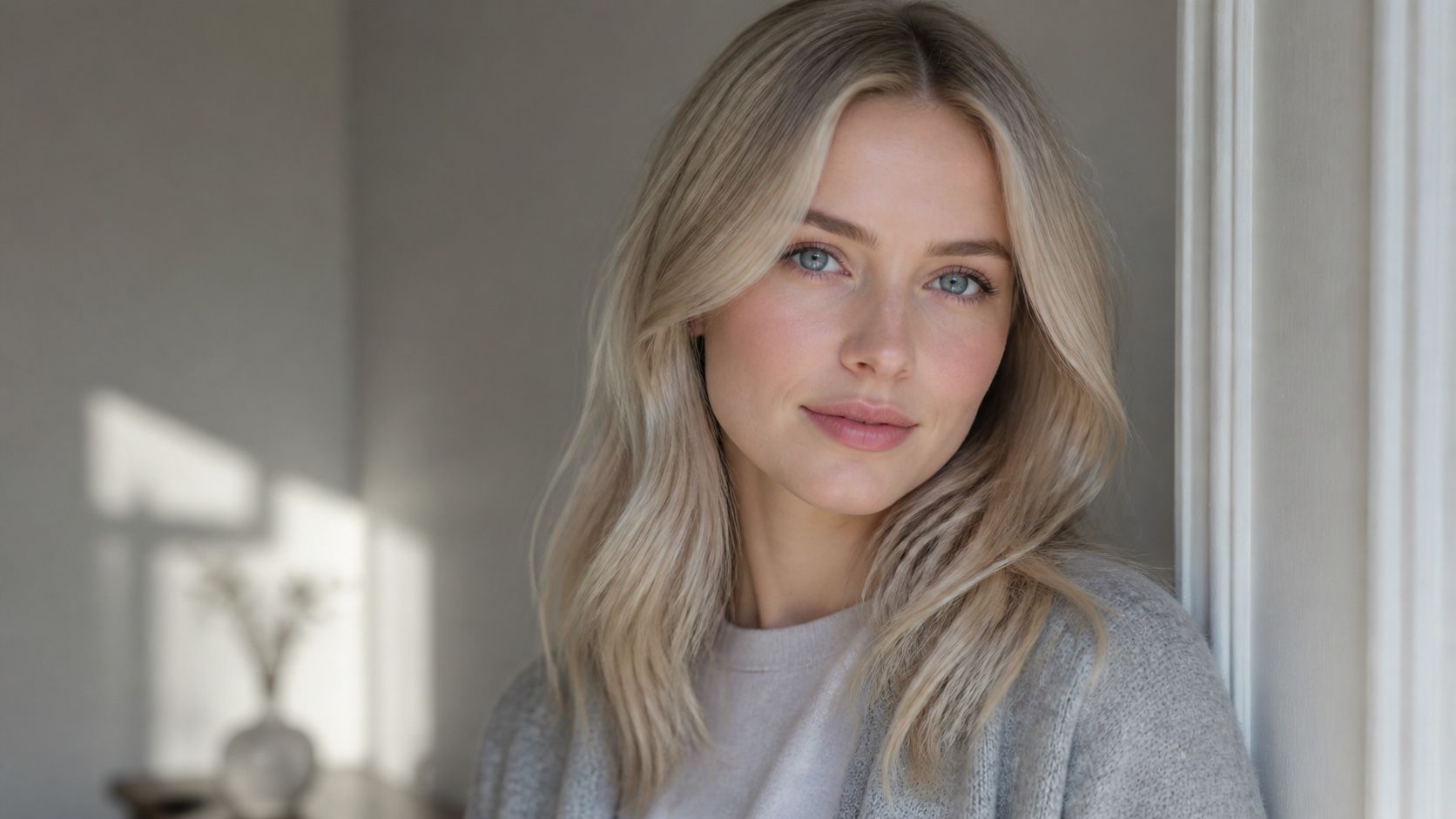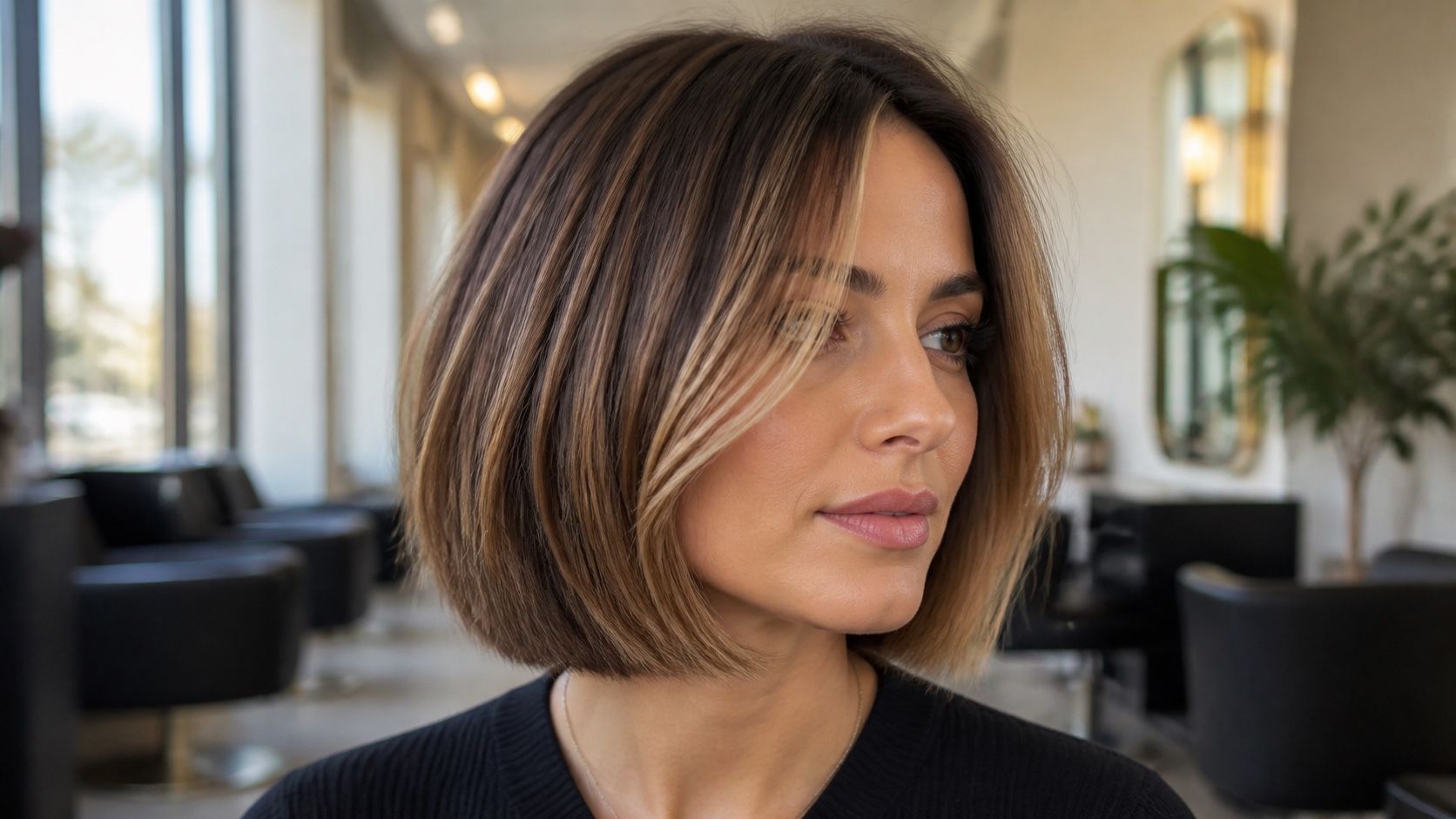
A new hair color usually starts with a saved photo and a small burst of confidence. The awkward part comes later, when the same caramel brunette looks expensive on one person and oddly flat on another. Hair color analysis is useful because it slows that moment down. It gives you a way to look at undertone, natural depth, contrast, haircut shape, and upkeep before you ask for a shade that may fight the hair you already have.
What hair color analysis can actually tell you
Hair color analysis is not a magic chart that names the one correct dye for your face. I would not trust any system that promises that from a single bathroom selfie. What it can do is sort the decision into visible questions: is the skin reading warm, cool, or balanced; is the natural hair color light, medium, or deep; does the face look better with soft contrast or a sharper frame; and does the current haircut need movement or calm?
How undertone changes the result
Undertone matters most in the reflect, not always in the darkness of the shade. A level six brown can lean golden, neutral, ash, violet, or copper, and each version sits differently against the same skin. Warm shades can make golden or olive skin look alive, but they can also exaggerate redness when the copper is too loud. Cool shades can clean up brassiness and sharpen the face, but too much ash can turn a soft complexion grey. Neutral shades are often the quiet middle, although neutral should not mean dull.
The easiest test is to separate warmth from brightness. Some people think they dislike warm hair when the real problem is a shade that is too light and too orange at the same time. Others think cool hair is sophisticated, then discover that flat ash brown removes the warmth their eyes needed. If a photo attracts you, name the reflect before naming the color: creamy beige, smoky mushroom, clean espresso, soft copper, muted auburn. The small word after the color often matters more than the big color family.
Grey hair adds another wrinkle. Silver strands can make cool or neutral directions look intentional, especially when the rest of the color is kept soft. Heavy golden coverage over grey can work, but it may create a bright root line as soon as new growth appears. A useful hair color analysis should include that future root line. The shade is not finished on the day it leaves the salon; it has to survive week three and week six.
Choosing contrast that suits the haircut
Contrast is where hair color and haircut start arguing with each other. A blunt bob can handle a strong brunette frame because the cut already has a clean edge. Long layers may need softer ribbons of tone so the movement stays visible. A pixie cut exposes the root area quickly, so a dramatic lightening plan asks for frequent maintenance. Curly hair catches light in pieces, which means a tiny change in placement can look more obvious than it does on a smooth blowout.
I like to judge contrast by looking at the face from across the room, not with the phone zoomed in. If the hair forms a hard outline and the features disappear, the contrast may be too high. If the hair, skin, brows, and eyes blend into one soft patch, it may be too low. The right answer is not always in the middle. A high-contrast winter look can be beautiful. So can a low-contrast soft summer brunette. The useful question is whether the haircut supports the strength of the color.
| Contrast choice | Where it tends to work | What to check first |
|---|---|---|
| Soft contrast | Fine layers, muted eye color, gentle natural roots | Make sure the result does not wash out the brows. |
| Medium contrast | Most brunettes, lived-in blondes, blended grey coverage | Check that face-framing pieces still show in daylight. |
| High contrast | Blunt cuts, strong brows, clear eye contrast, graphic short hair | Plan the root line before committing to a sharp jump. |
Placement can be a safer way to change contrast than a full head of color. A darker root shadow, a few cooler pieces around the face, or warmer ends can shift the impression without forcing every strand into the same decision. This is also where hair texture should be respected. Coarse hair may show blocks of color strongly. Fine hair can look thinner if light pieces are placed without a plan. Analysis should notice the hair as well as the face.
Maintenance before the first appointment
The least glamorous part of hair color analysis is maintenance, and it may be the most useful part. A shade that needs a toner every four weeks is not wrong. It is just not a casual choice. Red tones fade, ash tones can dull, blonding can expose warmth, and deep permanent color can be slow to remove later. If you change your mind often, that matters. If you hate visible roots, that matters even more.
Before booking, write down what you are willing to repeat. Root touch-up every three to five weeks? Gloss every six to eight? Purple shampoo, heat protection, and gentler washing? Or do you need a color that grows out quietly because life is already full enough? There is no prize for choosing the most demanding shade. The better color is the one that still looks deliberate on an ordinary Tuesday, away from salon lights too.
Old color history should be part of the maintenance conversation. Box dye, black gloss, old highlights, chlorine, sun exposure, and porous ends can all change the result. A stylist can work with that, but only if it is said out loud. A strand test may feel slow when you are excited, yet it can prevent the classic surprise where the roots lift cleanly and the ends turn muddy. Hair remembers more than the photo shows.
How to turn the result into a clear color note
A good color note is short and specific. Start with your current base, then name the direction you want: cooler brunette, softer copper, brighter beige blonde, deeper neutral brown, lower-contrast grey blending. Add what should not change. Maybe the roots need to stay close to natural. Maybe the face-framing pieces should be soft rather than stripey. Maybe the haircut needs to keep its shape visible when the hair is air-dried.
Bring two or three reference photos, not twenty. Choose one for tone, one for depth, and one for placement if needed. The stylist can then separate what belongs to the hair from what belongs to lighting, extensions, filters, or styling. A single perfect photo can become a trap because it asks the colorist to copy a whole image. A clear note asks for the parts that actually matter.
The final check is simple: can you explain the color in one sentence without using a celebrity name or a seasonal label alone? Try something like soft neutral brunette with low-contrast face framing, or cool beige blonde that keeps my roots easy. That sentence gives hair color analysis a practical ending. It turns the idea into a conversation, and it leaves enough room for the real hair in front of the mirror.